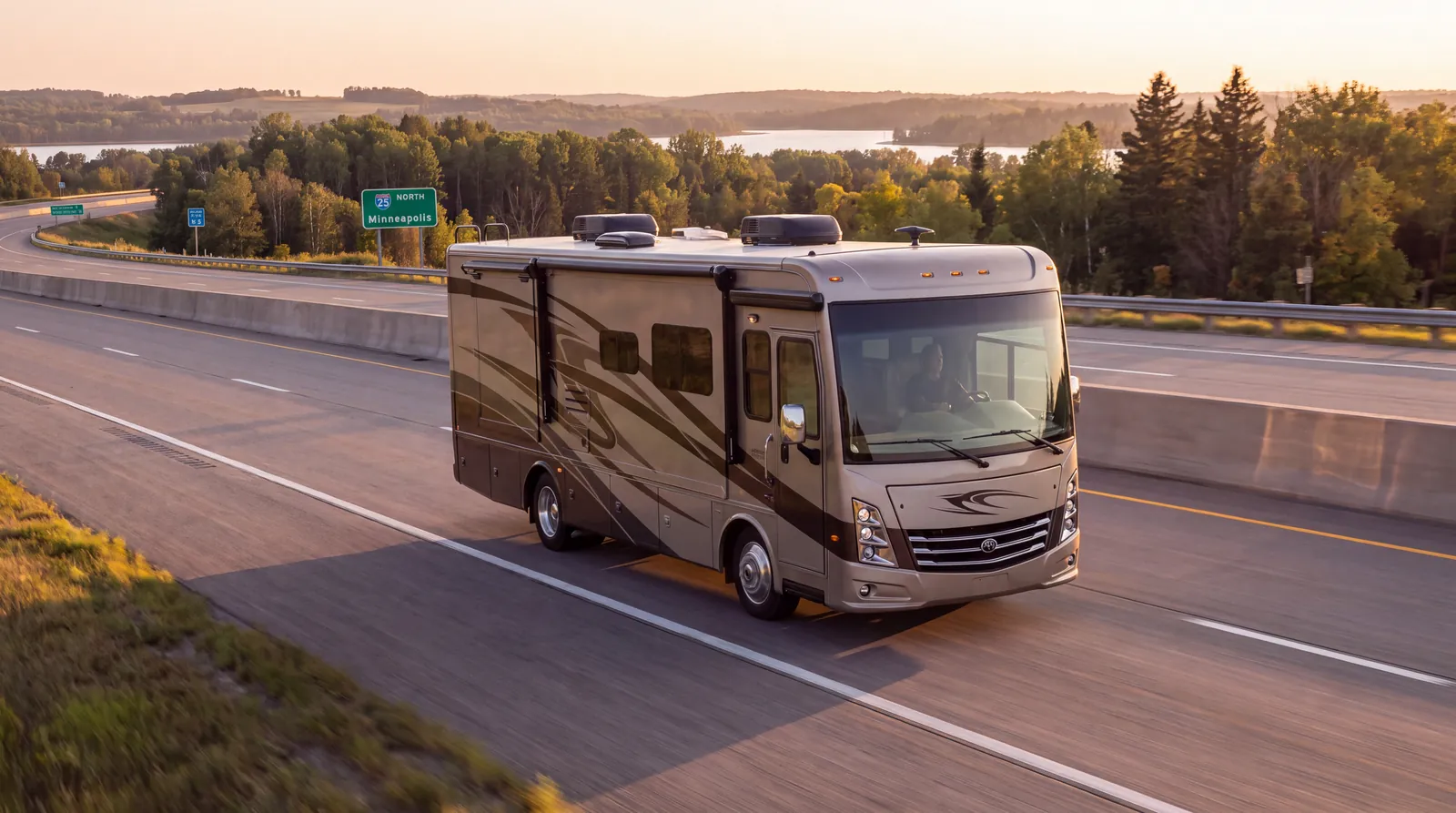
An RV parked on a Minnesota road
Home / RV & Recreational

Minnesota RV & Boat Insurance: The fun stuff is barely covered.

Your auto policy follows the trailer only while it's hitched. Your homeowners policy stops at the dock. RVs, boats, snowmobiles, and toys need their own coverage, and it costs less than you'd guess.

30/60/10
Min. Liability On Motorhomes
Unhitched
When Auto Coverage Stops
800K+
Registered Boats In MN
15 min
To Start Your Quote
The Quick Answer

The two policies you already own do less than you think. Your auto policy typically extends liability to a towed trailer only while it is hitched, and the trailer's own damage is not covered. Your homeowners policy extends only to small, low-powered craft, and will not answer a liability claim on the water. A motorhome is a registered motor vehicle, so in Minnesota it generally needs the same coverage as a car: no-fault, at least 30/60/10 liability, and uninsured/underinsured motorist coverage, plus vacation liability for when you are parked and living in it. Minnesota has over 800,000 registered boats, among the highest boat-ownership rates in the U.S. Boat insurance is not required by Minnesota law, but lenders and marinas may require it, and motorized boats of any length (and non-motorized boats over 10 feet) must be registered with the DNR. Snowmobiles and ATVs need their own coverage too, and a storage or lay-up option beats cancelling in the off-season. Farmers Insurance® - Block Agency in Eagan covers the garage, the trailer, and the dock at (651) 252-6655.

Motorhomes
No-fault + 30/60/10, like a car
Trailers
Auto liability only while hitched
Boats
Not required by MN law; lenders & marinas may
Free quotes
(651) 252-6655
Minnesota RV & Boat Insurance, The Short Version

Two policies you already own. Neither one covers the toys.

Here is the assumption that costs Minnesota owners the most: "the truck's insured and the house is insured, so the stuff they tow and store must be too." Your auto policy typically lends its liability to a trailer only while it is hitched, and does not cover the trailer's own damage. Your homeowners policy extends a little coverage to small, low-powered craft, and stops at anything with a real motor, especially once it leaves the driveway or a liability claim happens out on the water.

So the toys get their own coverage, matched to what they are. A motorhome is a vehicle and a house at once: Minnesota no-fault and at least 30/60/10 liability because it is a registered motor vehicle, physical damage because a Class A is a rolling six-figure asset, and vacation liability for the nights it spends parked with you living in it. A travel trailer needs its own physical damage policy for hail, windstorms, and storage-lot theft. A boat on a Minnesota lake answers to the lender and the marina more than the state, and the smart package includes fuel spill and wreck removal, because a sunk boat creates bills that float.

Two Minnesota notes. This is boat country: the state has over 800,000 registered boats, among the highest boat-ownership rates in the U.S., and a lake cabin often comes with a pontoon, a fishing boat, and a trailer all at once. And the seasons work both shifts: hail in the warm months, then a long stretch in storage, which is why comprehensive on a stored rig or boat quietly earns its premium all year. When winter arrives, the snowmobiles come out, and they need coverage of their own.

Tell us what is in the driveway and what is in the slip. One call, one team, the whole fleet — usually cheaper bundled than the pieces were separately.
What actually covers the toys. And what quietly doesn't.

Different machines, different rules. The pattern is the same: the required part is small and the useful part is optional.

Required by law
30/60/10

Motorhome Liability

A motorhome is a registered motor vehicle, so it generally needs the same liability and no-fault coverage as a car: at least 30/60/10 plus UM/UIM. Worth going well above the minimum, because a forty-foot rig at highway speed does not produce small accidents.

Strongly recommended
Comp & Collision

Physical Damage

Repairs or replaces your rig. Required by any lender on a financed RV, and the only thing standing between hail, theft, or a falling branch and your wallet. In a state that saw $6.3 billion in storm damage in 2022, hail is not hypothetical.

Ask about this
Vacation

Vacation Liability

Covers incidents at the campsite, where auto liability was never designed to go. The tripped hookup cord, the dog, the awning. Some policies include a token limit, some include none, and some campgrounds ask you to carry it.

If it's home
Full-Timer

Full-Timer's Coverage

Once the rig is your residence for more than about six months a year, a recreational policy is the wrong product. This replaces what your homeowners policy used to do: real personal liability, guest medical, and belongings limits that match reality.

Read this line
TLR

Total Loss Replacement

The alternative to being paid depreciated value on a fast-depreciating asset. On a newer rig, TLR replaces it with a comparable new one instead of writing you a check that does not clear the loan. The most consequential line on the policy.

Off-season
Storage

Storage Coverage

The right answer instead of cancelling for a Minnesota winter. Keeps comprehensive alive against fire, theft, and storm damage while suspending what you are not using. Cancelling saves less than you think and can leave a gap in your insurance history.

Not covered
Unhitched

Your Trailer, Most Of The Time

Auto liability follows the trailer while hitched and covers only what you damage. The trailer itself, its contents, and every hour it spends parked or stored are not your auto policy's problem. This is the most common gap we find.

Not covered
26 ft +

Your Boat, On Homeowners

Homeowners extends to small, low-powered craft, usually under 26 feet with horsepower caps, often only on your property. Kayaks yes. Anything with an engine, no, and it will not answer a liability claim out on the water at all.

Watch this
Cleanup

Fuel Spill & Wreck Removal

If your boat sinks, removing it is your bill. If fuel escapes, the environmental cleanup is your bill. Neither has anything to do with what the boat was worth, so a total loss can still cost you. Marinas name these specifically for a reason.

Got a trailer you assumed was covered?

Most people do. It takes about five minutes to find out what your auto policy actually does for it, and it is free either way.

RVs, Motorhomes & Trailers

An RV is a vehicle and a house. Insure both halves.

That dual nature is the whole reason RV insurance is its own product rather than a line on your auto policy. Get the vehicle half wrong and you are underinsured on the road. Get the house half wrong and you are underinsured everywhere you park.

Motorhomes versus trailers

A motorhome is a registered motor vehicle, so in Minnesota it generally needs the same coverage as a car: no-fault (personal injury protection), at least 30/60/10 liability, and uninsured and underinsured motorist coverage. Given the size and weight of a Class A, the minimum is a starting point, not a plan.

A travel trailer or fifth wheel is not self-propelled, and your tow vehicle's policy typically covers liability while it is hitched. What people hear is "covered." What is true is "covered for one narrow thing during one narrow window." The trailer's own damage, its contents, and every unhitched hour need physical damage coverage of their own.

The parked half nobody prices

When the rig stops moving it becomes a residence, and residence risks show up: guests, dogs, awnings, hookups, and everything inside. Vacation liability handles the campsite. Personal belongings coverage handles the contents, and the default limit is usually modest, often a couple thousand dollars, which is nothing next to what people actually travel with once you add electronics, gear, and tools.

If the rig is the residence, everything changes. Six months a year is the usual line, and past it a full-timer's policy is the correct product because there is no homeowners policy standing behind you anymore. Many full-timers never switched off the recreational policy they bought for weekends, and that mismatch tends to show up at claim time.

Two Minnesota specifics

First, the paperwork: a motorhome generally carries the same no-fault and 30/60/10 liability requirements as a car, along with uninsured and underinsured motorist coverage. Second, the calendar: a Minnesota RV spends months parked for winter. A storage or lay-up option keeps comprehensive in force while suspending the driving coverages you are not using, which beats cancelling and starting over every spring.

Boats, Snowmobiles & Off-Road

Minnesota won't make you insure the boat. Your lender or marina might.

Boat insurance is not required by Minnesota law. Practically, the people you need things from can have their own rules, and the lake does not care what the law requires.

Who actually requires it

Lenders require physical damage coverage on a financed boat and will want to be the loss payee. Marinas may require proof of liability before they rent you a slip, and some want to be named as an additional insured. Separately, Minnesota requires registration with the DNR for motorized boats of any length and for non-motorized boats over 10 feet, so even a longer canoe or kayak may need paperwork.

The other half is the part that has nothing to do with paperwork. If your boat sinks, wreck removal is your responsibility. If fuel gets out, environmental cleanup is your responsibility. Neither of those bills is capped by what the boat was worth, which is why "it's an old boat, it isn't worth insuring" is a mistake in reasoning rather than a budget decision.

Minnesota lake country, and the off-season

Minnesota has over 800,000 registered boats, roughly one for every six residents, and among the highest boat-ownership rates in the U.S. Lakes freeze, so most boats here spend the winter out of the water. A lay-up period on the policy recognizes that: it can trim the cost of the months the boat sits on the trailer or in storage while keeping protection against theft, fire, and damage in storage. Make sure the dates on the policy match how you actually use the lake.

Snowmobiles, ATVs, jet skis, and the rest of the garage

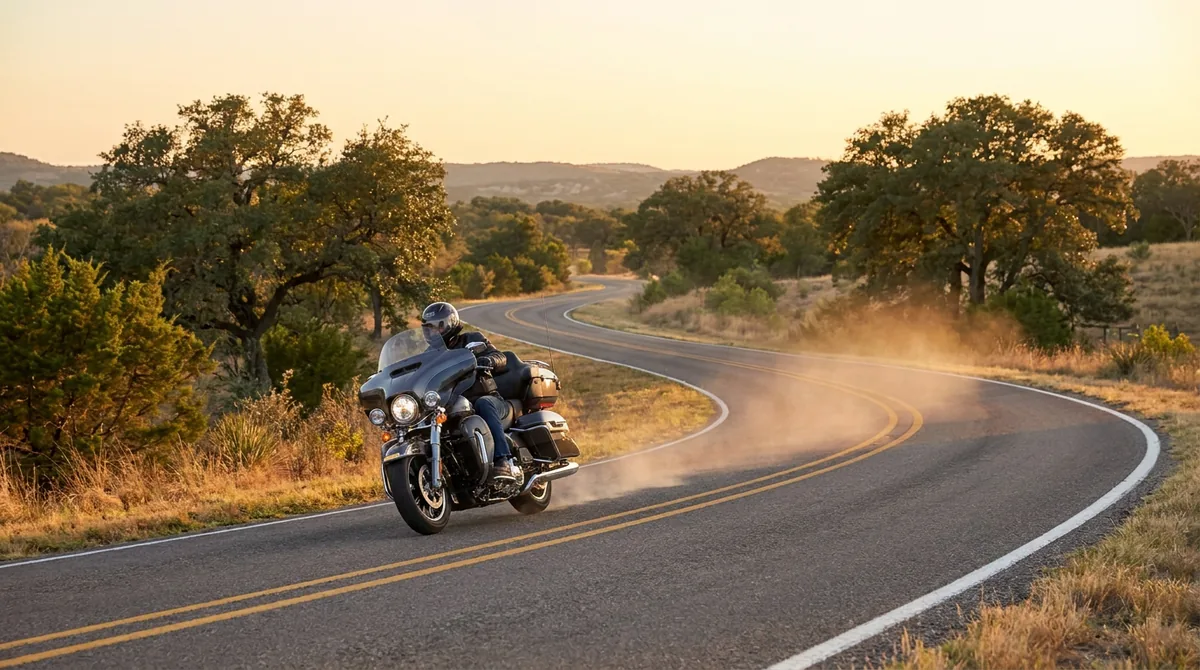
Snowmobiles are the winter side of Minnesota recreation: fast, fun, and rarely covered by a homeowners policy once they leave the property. Coverage can include liability, physical damage, theft, and the trailer that hauls them. PWCs deserve more respect than they get. They are fast, twitchy, and routinely handed to a friend who has never operated one, which is a liability profile out of all proportion to the price of the machine.

ATVs, dirt bikes, and side-by-sides need their own coverage too. The garage does not make them a homeowners item once they leave the property, and often not even on it. Coverage handles trail liability, theft (toys on trailers disappear), and the trailer itself. Tell us where you actually ride, because trails, private land, and public riding areas are not identical to an underwriter. Street bikes are a different animal entirely and belong on a motorcycle policy.

Everything with a motor, on one bill.

RV, boat, the toys, the cars, the house. Bundled properly it is usually cheaper than the pieces, and one person can see the whole picture.

However you get out there. We'll cover it.

Weekend trips, full-time living, a pontoon at the cabin, sleds on a trailer. Each one is a different policy.

Tell us what's in the driveway and what's on the water.

We will tell you what is actually covered today, what isn't, and what it costs to fix. Fifteen minutes, free, no pitch.

RV & boat insurance in Eagan. And across Minnesota lake country.

Where you store it matters as much as where you take it. Tell us the ZIP and we will price the real thing.

Minnesota RV, boat & recreational questions. Straight answers.

Is RV insurance required in Minnesota?

For a motorhome, yes. It is a registered motor vehicle, so it generally needs the same liability and no-fault coverage as a car: at least 30/60/10 liability, Minnesota no-fault (personal injury protection), and uninsured/underinsured motorist coverage.

Given the size of a Class A, the minimum is a floor, not a plan. Towed trailers work differently; see the next question.

Doesn't my auto policy already cover my travel trailer?

Only for one narrow thing during one narrow window: while hitched, your tow vehicle's liability extends to the trailer.

The trailer's own physical damage — the hail, the blowover, the theft from the storage lot, the fire — is never covered by your auto policy, hitched or not. A travel trailer needs its own policy, and most owners find that out at claim time.

What is vacation liability, and do I need it?

Your motorhome's auto-style liability is built for driving. Vacation liability fills the gap while you are parked and living in it: the campfire that spreads, the guest who trips on the step at a state park campsite.

Some policies include a small default limit, some none, and some campgrounds ask for it. If you spend real nights in the rig, carry it on purpose.

Do I need a full-timer's policy?

If the RV is your residence, yes.

Full-timer coverage does the jobs your homeowners policy used to do: broader personal liability that follows you rather than just the campsite, medical payments for guests, and personal property limits that reflect the fact that everything you own is in there. A recreational policy on a full-time rig is a claim dispute waiting to happen.

If my RV is totaled, what does the policy actually pay?

Depends entirely on which valuation you bought. Actual cash value pays depreciated worth.

Agreed value pays a number you locked in. Total loss replacement, typically available on newer rigs, replaces yours with a comparable new one — the difference of tens of thousands of dollars on a five-year-old motorhome. This is the single most consequential checkbox on an RV policy.

Should I cancel my RV policy in the off-season to save money?

No. In Minnesota the off-season is long, and the rig sits parked and unattended for months.

Comprehensive is what answers theft, fire, hail, and storm damage to a stored rig. A storage or lay-up arrangement suspends the driving coverages you are not using while keeping comprehensive alive. That is the right answer instead of cancelling, and it avoids a gap in your insurance history.

Is boat insurance required in Minnesota?

Not by state law. Minnesota does not require insurance for recreational boats.

Lenders require physical damage coverage on a financed boat, and marinas may require liability before they rent you a slip. Separately, motorized boats of any length and non-motorized boats over 10 feet must be registered with the Minnesota DNR. Registration is not insurance, and the liability exposure on a busy lake is real either way.

Does my homeowners policy cover my boat?

Barely. Homeowners policies extend limited coverage to small, low-powered craft, typically with length and horsepower caps, and often only on your property.

A kayak, fine. Anything with a real motor, no — and the liability side is worse than the property side, because a homeowners policy will not answer a claim out on the water at all.

How does lay-up or storage coverage work for a boat?

Many boat policies let you set a lay-up period for the months the boat is out of the water. During that time the policy focuses on what still matters, like theft, fire, and damage in storage, rather than on-the-water use.

In Minnesota, where lakes freeze, the dates matter. Make sure they match when you actually launch and pull the boat, and tell us if you plan an early spring or late fall trip.

What are fuel spill liability and wreck removal, and why does my marina want them?

If your boat sinks or burns, you can be responsible for raising the wreck and cleaning up the fuel, and neither bill is small.

Fuel spill liability and wreck removal coverage answer for exactly that, which is why marinas often ask for them. If you keep a boat in a rented slip, we quote them as a default.

Do I need insurance for a jet ski or personal watercraft?

Not by Minnesota law, but practically yes: lenders and some marinas may require it, and PWCs are fast, twitchy, and routinely handed to a friend who has never operated one. That is a liability profile out of all proportion to the machine's price.

Coverage is inexpensive. Someone else's injury claim is not.

What about snowmobiles, ATVs, and side-by-sides?

They need their own coverage too. A homeowners policy generally does not cover them once they leave the property, and often not even on it.

Coverage can handle liability, theft (toys on trailers disappear), physical damage, and the trailer hauling them. Tell us what you actually ride and where, since coverage can differ between private land, trails, and frozen lakes.

Still have questions? Call (651) 252-6655. We will give you a straight answer.

Go enjoy it.
We'll handle the boring part.

Tell us what you drive, tow, launch, and ride. We will build the coverage around how you actually use it. It takes about 15 minutes to get started.