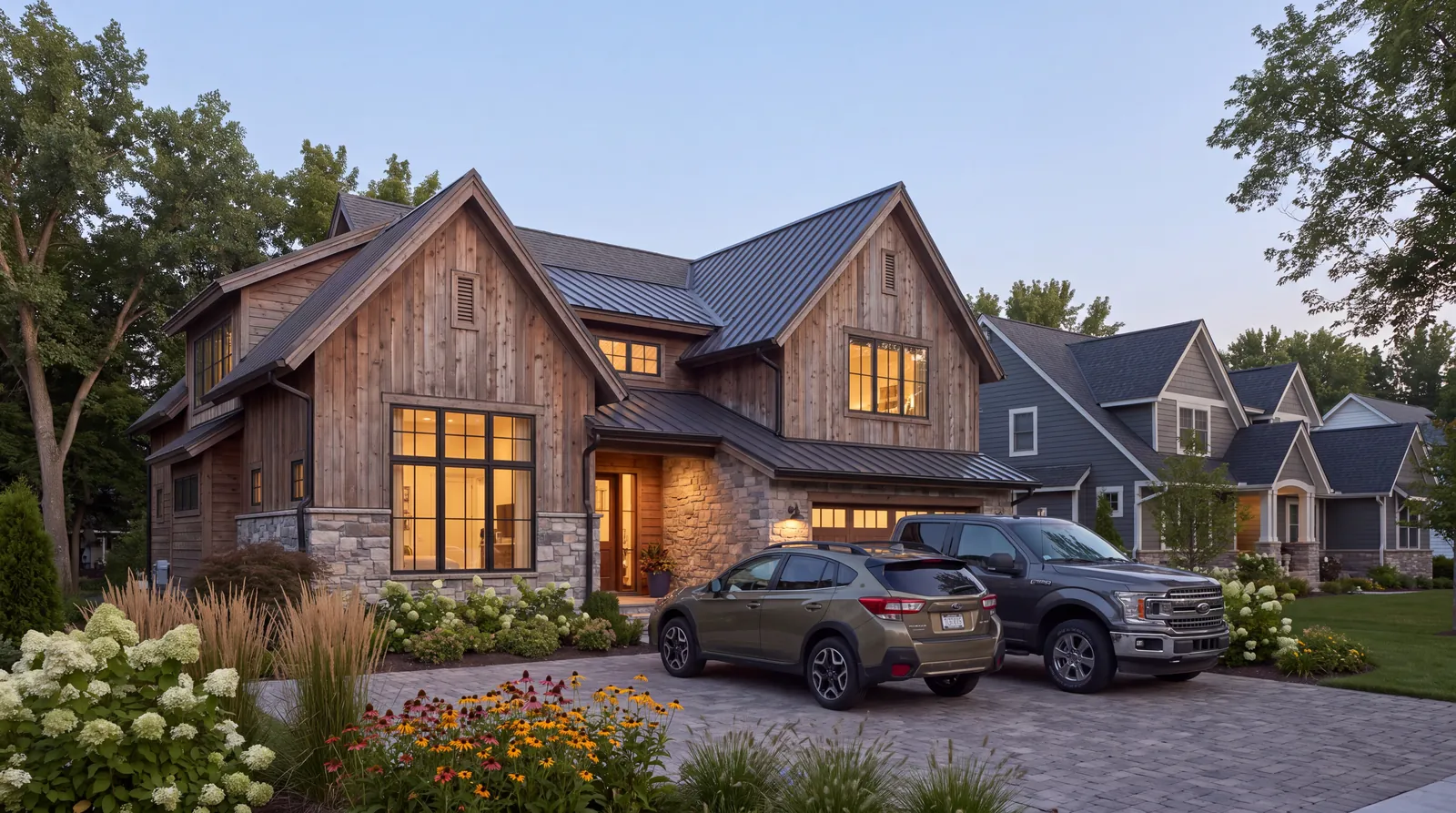
Minnesota Homeowners Insurance Guide: Coverage, Costs and Quotes
The complete starting point: what a Minnesota homeowners policy covers, how to set dwelling coverage at rebuild cost, the deductibles to watch, and what to have ready for a quote.
Plain-English guides on home, auto, hail, winter and coverage questions — new articles publishing soon.
This is the home of the Block Agency blog: plain-English insurance guides for Minnesota and Wisconsin households from a local Farmers Insurance® agency in Eagan. The first guides will cover hail and wind/hail deductibles, ice dams and frozen pipes, no-fault auto and the 30/60/10 minimum, deer collisions, and bundling home and auto. Previews of the guides on our calendar are below. Until they publish, the fastest answer is a free quote or a quick call.
No guides match that search yet. Try a different word, or request the topic and we'll put it on the calendar.
Minnesota homeowners are seeing higher renewals, percentage wind/hail deductibles, and roofs settled at depreciated value. These guides explain what your policy covers, what it doesn't, and what to ask before your next renewal.
The complete starting point: what a Minnesota homeowners policy covers, how to set dwelling coverage at rebuild cost, the deductibles to watch, and what to have ready for a quote.
What shapes a Minnesota home insurance premium (rebuild cost, roof age, claims history, deductibles and location) and why two similar houses can price very differently.
Minnesota premiums have climbed fast since the 2022 and 2023 storm seasons. What's driving your renewal, and the levers you still control.
Got a nonrenewal notice? What Minnesota requires insurers to tell you, how much time you have, and the steps to line up new coverage before the date.
Home insurance for Eagan and Dakota County: hail exposure, local housing stock, and the coverage questions we hear most from our own neighbors.
Hail is behind some of Minnesota's costliest home claims, and winter brings ice dams and frozen pipes. This series covers the policy language that matters when the storm or the deep freeze hits.
How hail claims work on a Minnesota home policy: percentage deductibles, cosmetic-damage language, roof settlement, and the steps to take after a storm.
A 1% or 2% wind/hail deductible is a percentage of your dwelling coverage, not a flat amount. How to find yours and what it means in real dollars.
Replacement cost or actual cash value? How your roof is settled after hail can change what you're paid by thousands. How to tell which one you have.
An older roof can mean fewer options or a depreciated settlement. What to expect when you shop coverage with an aging roof, and what helps.
When ice dams push meltwater into ceilings and walls: what home insurance typically covers, what it doesn't, and how to head off the next one.
Burst pipes in a deep freeze: what's usually covered, the reasonable-care conditions in your policy, and what to do in the first hour.
Tell us about your home and cars, and a local Farmers agent in Eagan will walk you through your options in plain English, in English or Spanish. About 15 minutes to get started.
Minnesota is a no-fault state with 30/60/10 minimum liability, plus required PIP and uninsured/underinsured motorist coverage. These guides cover what the law requires, what most drivers add, and how to keep your premium in check without leaving gaps.

Everything in one place: Minnesota's required coverages, how no-fault works, what drives your rate, and how to get an accurate quote.
Liability, personal injury protection, and uninsured/underinsured motorist coverage: what Minnesota requires on every policy and what those numbers really mean.
How Minnesota's no-fault PIP pays medical bills and lost income after a crash no matter who caused it, and when you can still sue.
Minnesota requires uninsured and underinsured motorist coverage, but the minimum is low. How to decide whether to raise it.
When liability-only can make sense on an older car, when collision and comprehensive are worth keeping, and how to run the numbers.
Practical ways to lower your Minnesota car insurance premium (deductibles, discounts that may be available, bundling) without cutting the coverage that protects you.
What actually moves a Minnesota auto premium: driving record, vehicle, ZIP code, coverage limits, and credit-based insurance scores.
The short checklist for a fast, accurate quote: driver details, vehicles, current coverage, and the limits you want to compare.
Hitting a deer is usually a comprehensive claim, not collision. What that means for your deductible, and what to do at the scene.
Car insurance in Minneapolis: how city driving, parking, and theft risk play into your rate, and the coverage questions worth asking.
Your landlord's policy covers the building, not your belongings or your liability. Condo owners split coverage with the association's master policy. These guides show where your part starts.
What renters insurance covers in Minnesota (belongings, liability, and loss of use), what it typically costs, and how lease requirements work.
Can a Minnesota landlord make renters insurance part of your lease? What to look for in the lease and how to show proof of coverage.
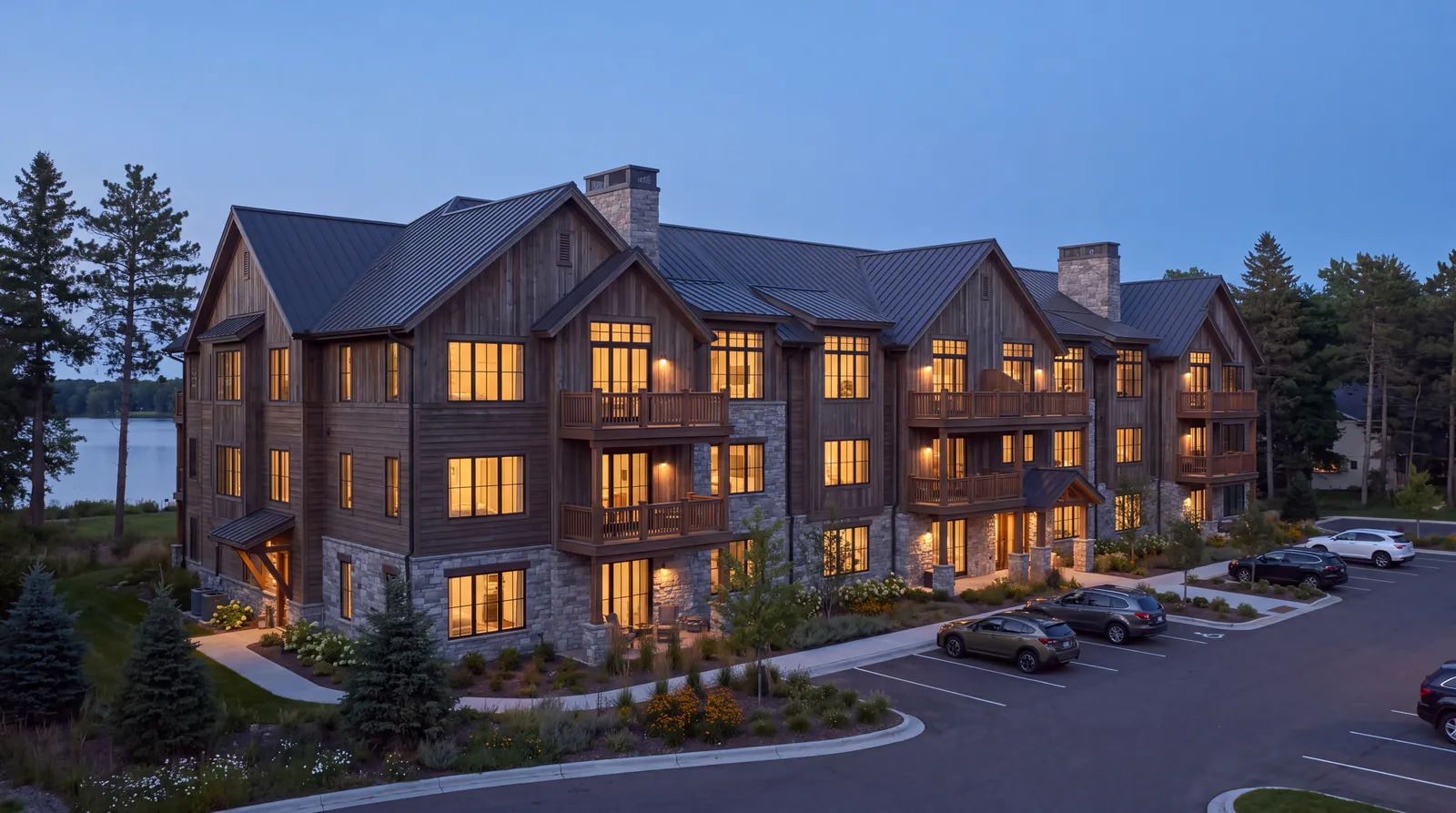
HO-6 vs. the association's master policy: who covers what in a Minnesota condo or townhome, and why loss assessment coverage matters.
Putting home and auto together can simplify things, and an umbrella adds liability protection above both. These guides cover when bundling helps and how much umbrella coverage fits your household.
When combining home and auto with one agency actually saves, when it doesn't, and what to compare beyond the discount.

Who benefits from a personal umbrella policy, how it sits on top of your home and auto liability, and how to choose a limit.
The team at Block Agency, a local Farmers Insurance® agency in Eagan, MN, led by agency owner Ryan Block. The topics come from the questions Minnesota and Wisconsin clients ask us on the phone, and every guide is reviewed before it goes live.
No. These guides are educational: they explain how insurance works in Minnesota and Wisconsin and what most people in similar situations tend to do. Coverage that actually fits your house, your cars, and your family takes a conversation. That conversation is free, takes about 15 minutes to get started, and starts at our quote page or (651) 252-6655.
No. The guides explain how coverage works in general: what a policy covers, what it skips, and the questions worth asking at renewal. When you're ready for a quote, we start with Farmers options and can also shop additional carriers when Farmers isn't the right fit.
Soon. Every guide marked Coming soon on this page is already on our publishing calendar, starting with the topics Minnesota households ask about most: hail and wind/hail deductibles, winter claims like ice dams and frozen pipes, no-fault auto and the 30/60/10 minimum, and bundling home and auto. Email us if there's a topic you'd like us to cover first.
Yes, where the rules match, and we'll call out where they don't. Minnesota is a no-fault auto state with 30/60/10 minimum liability plus $40,000 in personal injury protection; Wisconsin is an at-fault state with 25/50/10 minimums. Ryan is licensed in both states, and our phone number works the same either way.
Tell us about your home, your cars, and your plans. We'll start with Farmers options, build the coverage around your life, and can also shop additional carriers when Farmers isn't the right fit. About 15 minutes to get started, in English or Spanish.