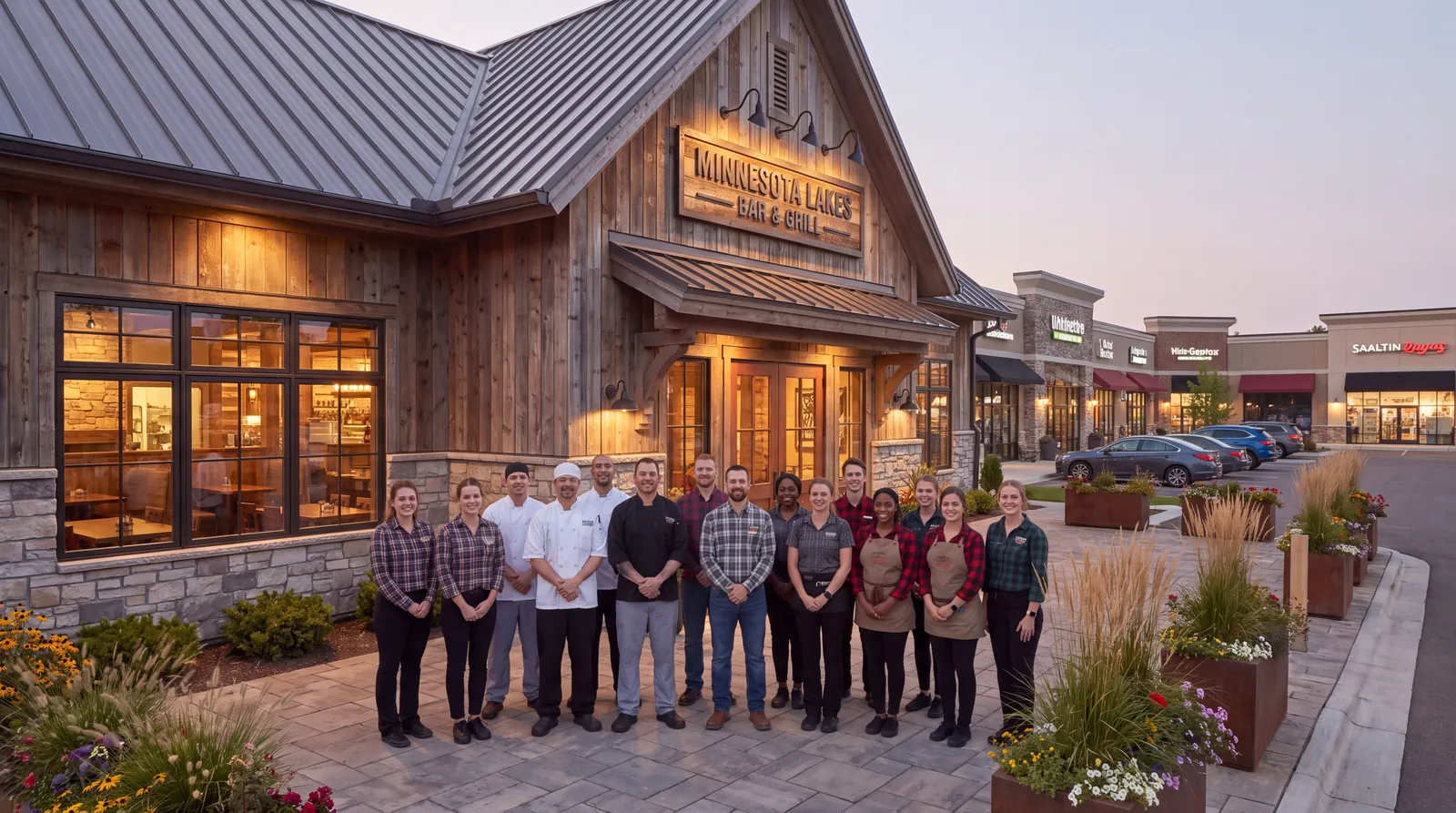
A small business in Minnesota
Home / Business Insurance

Minnesota Business Insurance: Comp is required. The rest should be on purpose.

Minnesota requires workers' comp for nearly every employer. Everything after that is judgment: what you do, who you employ, and what your landlord and clients demand. Let's build it right.

All
MN Employers Need Comp
30/60/10
Min. Liability On Work Vehicles
$6.3B
MN Storm Damage In 2022
Free
Coverage Review With A Local Agent
The Quick Answer

Minnesota requires all employers to carry workers' compensation insurance or become self-insured, and that includes part-time workers and minors. The exclusions are narrow (certain sole proprietors, partners, and family members, casual employment, and some small farm and household work), so most businesses with even one employee need it. Business vehicles must carry Minnesota no-fault coverage plus at least 30/60/10 liability and uninsured/underinsured motorist coverage, and personal auto policies typically exclude business use. A Business Owners Policy, which bundles property and general liability, is not required by law, but most leases and client contracts require it in practice. Minnesota hail makes commercial property deductibles worth reading closely: 2022 alone brought $6.3 billion in storm damage statewide. Farmers Insurance® - Block Agency in Eagan quotes Minnesota and western Wisconsin commercial coverage free at (651) 252-6655.

Workers' comp
Required for nearly all MN employers
Work vehicles
No-fault + 30/60/10 + UM/UIM
Most small firms
BOP + comp, built on purpose
Free quotes
(651) 252-6655
Minnesota Business Insurance, The Short Version

Comp is the law. Everything else is judgment.

Start with the part that isn't optional. Minnesota requires all employers to carry workers' compensation insurance or become self-insured. That covers part-time workers and minors, not just full-time staff. The exclusions are narrow: certain sole proprietors, partners, and family members, casual employment, and some small farm and household work. If you have even one employee, assume you need it and let us confirm.

Comp is what keeps a workplace injury from becoming a business-ending event. Injuries run through the comp system, with defined benefits for the employee and defined costs for you. Pricing runs on payroll and class codes, and a wrong code can quietly overcharge you for years or surprise you at audit. Getting the classification right is one of the first things we check.

Vehicles come next. If the business owns it, it needs commercial auto, and in Minnesota that means no-fault coverage plus at least 30/60/10 liability and uninsured/underinsured motorist coverage, the same floor as any registered vehicle. If you drive your own car for work, know that personal auto policies typically exclude business use.

Everything after that is judgment, and judgment is what you are hiring us for. Most small Minnesota businesses run on a Business Owners Policy that packages property and general liability. The law doesn't require it, but your landlord and your clients almost always will. Give advice for money and you need professional liability. Hold customer data and cyber stops being a luxury. Own a building in hail country and the wind and hail deductible deserves a hard look. As a local Farmers Insurance® agency, we start with Farmers and can also shop additional carriers when Farmers isn't the right fit. Nothing on this page is legal advice; for employment-law questions, talk to an employment attorney. We handle the insurance.


What a business actually needs. In the order it matters.

One of these is the biggest decision on the page. The rest depend on what you do, who you employ, and what you would lose on your worst day.

Required by law
Required

Workers' Compensation

Minnesota requires every employer to carry comp or self-insure, including for part-time workers and minors. Injuries run through the comp system with defined benefits instead of open-ended exposure. The exclusions are narrow, so check with us before assuming you are exempt.

Start here
BOP

Business Owners Policy

Bundles commercial property and general liability into one package built for small and mid-sized firms. Minnesota law doesn't require it, but most leases and many client contracts require the coverage inside it. Usually cheaper than buying the pieces separately.

Core
$1M / $2M

General Liability

The slip and fall, the damage you cause at a client's site, the advertising injury claim. Covers defense costs as well as the judgment. It is also what your landlord and your clients will demand a certificate for before you can sign anything.

Core
Reopen

Business Income

Property coverage rebuilds the building. This pays your rent, payroll, and lost profit while that happens. After a big Minnesota hailstorm, roofers and contractors book up fast, so set the restoration period to a realistic timeline.

If you advise
E&O

Professional Liability

General liability covers bodily injury and property damage. It does not cover being wrong. If clients pay you for expertise and a mistake could cost them money, you need this, and around here your contracts will probably require it anyway.

As you grow
Umbrella

Commercial Umbrella

Extra liability limits that sit above your general liability, commercial auto, and employer's liability. One serious crash or injury claim can outrun a $1M policy, and larger contracts often ask for more than a BOP alone provides.

Not covered
Your Car

Business Use On A Personal Policy

Personal auto typically excludes business use. If the vehicle belongs to the business, it needs commercial auto with Minnesota no-fault, at least 30/60/10 liability, and UM/UIM. If staff drive their own cars for you, add hired and non-owned coverage.

Watch this
Hail

Wind & Hail Deductibles

Minnesota is hail country: 2022 brought $6.3 billion in storm damage statewide. Many commercial property policies carry a separate wind and hail deductible, sometimes figured as a percentage of the building's value. Know yours before the storm, not after.

If you hold data
Cyber

Cyber Liability

Breach notification, forensics, legal counsel, extortion, and the income you lose while locked out. Small businesses get targeted precisely because attackers assume the defenses are thinner. Breach-notification laws add real deadlines the moment customer data is exposed.

Hiring your first employee? Set up comp first.

Minnesota requires workers' comp for employees, part-time workers and minors included. Fifteen minutes on your payroll and job duties gets you the right class codes and a real price. Free, no pitch.

Required In Minnesota

Minnesota workers' comp, in plain English.

This is the coverage the state doesn't leave up to you. So the useful questions are who counts, how it is priced, and how to keep it clean.

Who has to carry it

The Minnesota Department of Labor and Industry puts it plainly: all employers are required to purchase workers' compensation insurance or become self-insured. That includes part-time workers and minors. The statute carves out a short list of exclusions, such as certain sole proprietors, partners, and family members, casual employment, and some farm and household workers below a small quarterly payroll threshold. Those are exceptions, not loopholes. If you are not sure where you fall, ask before you hire, not after an injury.

What it does for you

Comp pays an injured employee's medical bills and lost wages through a defined system. That structure protects the employee, and it protects the business from the open-ended cost of an injury with nothing behind it. Self-insuring is an option the law allows, but it generally fits larger employers with the financial depth to carry their own claims. For most small and mid-sized businesses, an insured policy is the practical route.

Getting the price right

Comp pricing runs on class codes. Clerical staff and roofers are priced very differently per $100 of payroll, and misclassified payroll is the most common way businesses overpay or get an ugly surprise at audit. We check classifications, estimate payroll honestly, and help you stay ready for the year-end audit.

The paperwork nobody mentions

Certificates of insurance, additional-insured endorsements, and waiver-of-subrogation requests are daily work for contractors and service businesses across the Twin Cities, and slow certificates stall invoices. We handle them routinely. If you also work across the river in Wisconsin, tell us; the agency is licensed in both states. On employment-law questions, talk to an employment attorney. We do the insurance.

Not sure if your class codes are right?

Workers' comp is priced on payroll and classification, and a wrong code quietly overcharges you for years. It is one of the first things we check. Free either way.

Whatever you built. We'll cover it properly.

The right program depends on what you do, not what size you are. Here is where the differences bite.

Need a certificate of insurance today?

Landlord, GC, or client waiting on one? Send us the contract language and we will turn it around fast, with the right additional insured wording rather than a guess.

Business insurance in Eagan. And across the Twin Cities metro.

Our office is on Town Centre Drive in Eagan, close to the Dakota County businesses we insure. Tell us where you operate, including western Wisconsin.

Minnesota business insurance questions. Straight answers.

Do I need workers' compensation insurance in Minnesota?

Almost certainly, if you have employees. The Minnesota Department of Labor and Industry says all employers are required to purchase workers' compensation insurance or become self-insured.

That includes part-time workers and minors. The statutory exclusions are narrow: certain sole proprietors, partners, and family members, casual employment, and some small farm and household work. If you think you qualify for one, confirm it before you skip coverage.

Does workers' comp cover part-time employees and minors?

Yes. Minnesota's requirement covers part-time workers and minors, not just full-time staff.

Seasonal and part-time help is exactly where small businesses get caught out. Report all payroll accurately so the policy and the year-end audit match reality.

I'm a sole proprietor with no employees. Do I need workers' comp?

Legally, a sole proprietor without employees generally falls within the statute's exclusions.

Practically, the general contractors and clients you work for may require a certificate showing comp coverage before you start on their job. And once you hire anyone, part-time included, the requirement applies to you.

What is a BOP, and is it required?

A Business Owners Policy bundles commercial property and general liability, usually with business income, into one package priced for small and mid-sized firms. Minnesota law does not require it.

Your landlord and clients usually do: most commercial leases and many client contracts require property and liability coverage before you sign. A BOP is not enough by itself if you give professional advice, hold sensitive data, own vehicles, or have employees who need comp.

What insurance do business vehicles need in Minnesota?

A vehicle the business owns needs commercial auto with Minnesota no-fault (personal injury protection) coverage, at least 30/60/10 liability, and uninsured/underinsured motorist coverage.

Those are minimums. A work truck or van in a serious crash can blow through 30/60/10 quickly, so most businesses carry much higher limits. For-hire and DOT-regulated operations may have additional requirements, and we will walk through them with you.

Does my personal auto policy cover me driving for work?

No. Personal auto policies exclude business use: deliveries, hauling tools between sites, driving clients.

If the vehicle belongs to the business, it needs commercial auto. If employees drive their own cars on your errands, you need hired and non-owned auto coverage, because their accident on your errand can become your claim.

I run my business from home. Doesn't my homeowners policy cover it?

Mostly no. Homeowners policies carry a small sub-limit for business property and generally exclude business liability outright — a client who trips on your front step is not a covered claim.

The fix is cheap: an endorsement or a small in-home business policy. The expensive version is finding out after the claim.

A client wants a certificate of insurance naming them as additional insured. What is that?

A certificate of insurance is proof of your coverage; naming a client as additional insured extends your liability policy to protect them for work you do for them.

It is standard in construction, services, and property-management work around the Twin Cities. We turn certificates around quickly, because a stalled certificate stalls your invoice.

What is professional liability, and do I need it?

General liability covers bodily injury and property damage.

It does not cover being wrong. If clients pay you for expertise or advice — consulting, design, inspections, bookkeeping — and a mistake could cost them money, professional liability (errors and omissions) is what responds, and your contracts will often require it anyway.

Do I need cyber insurance if I'm not a tech company?

If you hold customer data, take cards, or run your operations through email and cloud software, you have cyber exposure.

Small businesses are targeted precisely because attackers assume thin defenses. Breach-notification laws carry real requirements and deadlines, and cyber coverage pays for the forensics, notification, legal counsel, and the income you lose while locked out.

How do wind and hail deductibles work on commercial property?

Many commercial property policies carry a separate wind and hail deductible, sometimes a flat dollar amount and sometimes a percentage of the building's insured value.

In Minnesota that matters. 2022 was the state's costliest storm year, with $6.3 billion in property damage, and the August 11, 2023 hailstorm topped $1 billion on its own. Read the deductible before storm season, and we will show you what a claim would actually cost you out of pocket.

How much does business insurance cost in Minnesota?

It ranges too widely for one honest number: a home-based consultant and a restaurant with a building and a delivery van are different animals.

Directionally, workers' comp is priced per $100 of payroll by class code, a BOP scales with your property and what you do, and commercial auto depends on the vehicles and drivers. We start with Farmers and can also shop additional carriers when Farmers isn't the right fit, then show you the options clearly.

Still have questions? Call (651) 252-6655. We will give you a straight answer.

Tell us what you built.
We'll tell you what it needs.

What you do, who works for you, what you drive. We will build the program around the business, including the parts you can skip. It takes about 15 minutes to get started.